
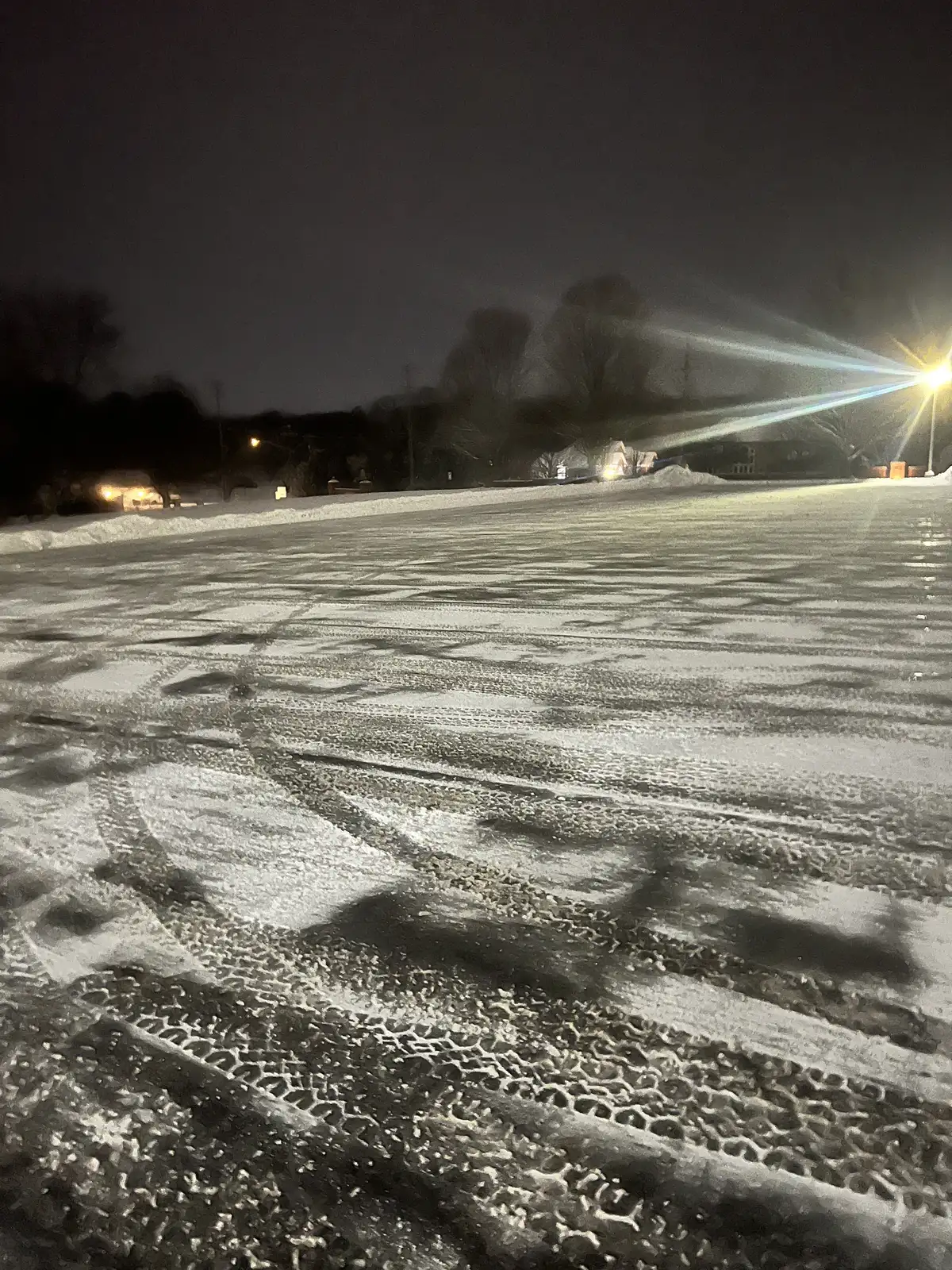
What Determines Commercial Snow Removal Cost?
Understand how cleared area, sidewalks, obstacles, service scope, and snow storage shape a commercial estimate.
Read Article
Practical advice on turf management, fertilization, weed control, aeration, lawn care, and commercial snow removal for Aurora and Fox Valley property owners.
Use the latest guides for fall decisions, then browse focused resources on soil, weeds, water, seed, service planning, and commercial snow readiness.
Understand how cleared area, sidewalks, obstacles, service scope, and snow storage shape a commercial estimate.
Read Article
See the local market range, the property details that shape a quote, and when aeration is worth the investment.
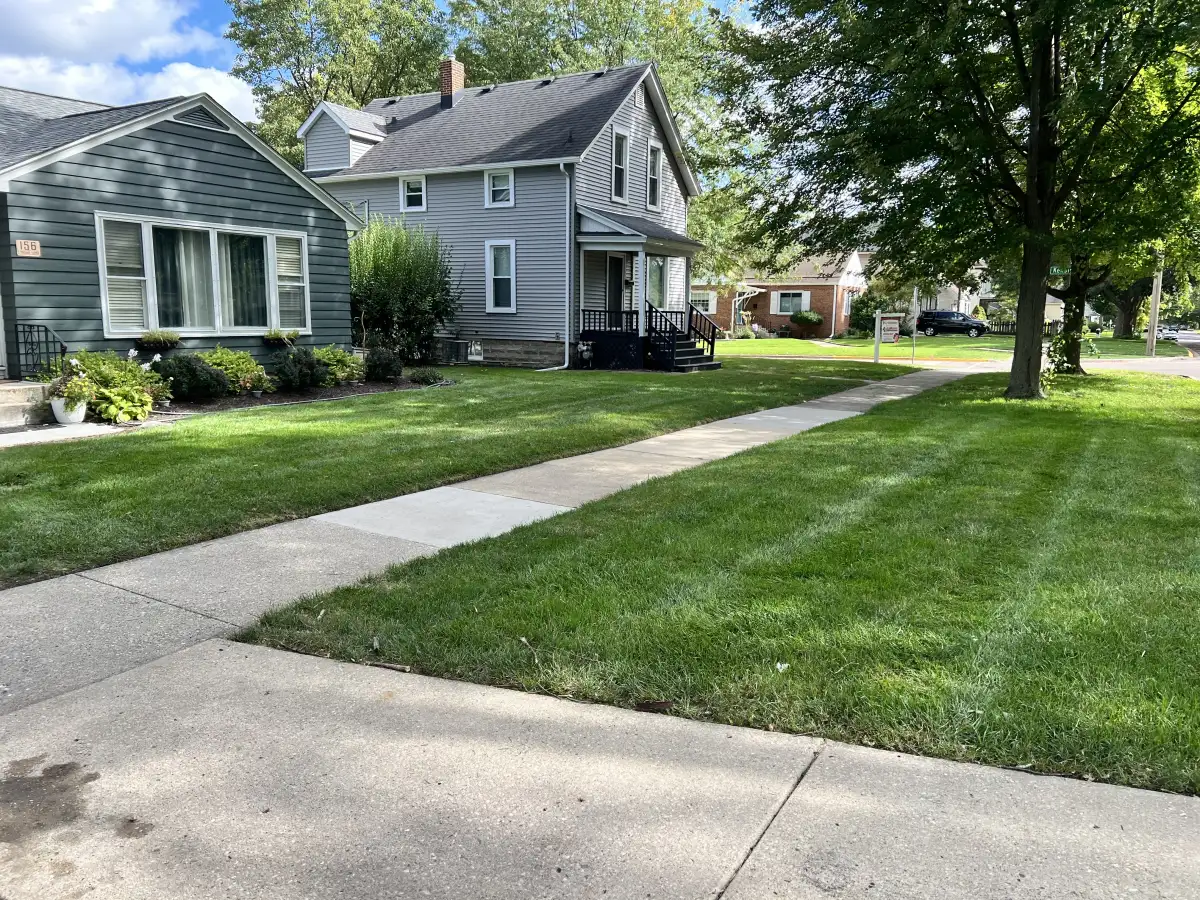
See which details change a lawn care quote and compare the real seasonal value behind monthly or per-visit pricing.
Choose the problem or planning question that matches your property instead of sorting through a week-by-week archive.
Understand timing, scope, estimates, and the difference between routine applications and corrective lawn work.
Compare the lawn diagnosis, seasonal timing, written scope, estimate factors, aftercare, and follow-up before choosing a turf plan.
Decide what can improve now, what should wait, and how watering and mowing support new seed.
Separate heat stress, thin turf, weeds, and compaction before setting fall priorities.
Match seed, seasonal services, watering, and mowing to the remaining growing window.
Clarify the priority problem, included visits, separate services, aftercare, and follow-up.
See why two Aurora lawns may need different service timing even when symptoms look similar.
Prioritize the habits and services that protect stressed cool-season turf before fall.
Compare the diagnosis, written scope, seasonal timing, homeowner role, and follow-up—not price alone.
Confirm the lawn evaluation, service boundaries, seasonal schedule, communication, and realistic results.
Follow a lawn plan from spring prevention through summer monitoring and fall repair.
Learn how fertility, weeds, soil, pests, aeration, and overseeding fit one seasonal plan.
Review the property and program details that shape a clear seasonal proposal.
Look for local timing, property-specific recommendations, visit notes, and realistic expectations.
Decide when a dependable treatment schedule is enough and when the lawn needs a broader plan.
Recognize the signs of compaction, heat stress, disease, insects, and weeds, then choose work that fits Illinois growing conditions.
Spot compacted soil, runoff, and shallow rooting before fall renovation work begins.
Coordinate soil temperature, pre-emergent timing, mowing height, and turf density.
Check watering, mowing, thin areas, disease symptoms, and fall repair needs.
Compare the symptoms and causes of brown patch, dollar spot, rust, and red thread.
Use watering depth, timing, and drought-stress signals to protect cool-season grass.
Plan core aeration, cool-season seed, watering, and mowing for fall establishment.
Recognize likely grub damage, understand the preventive window, and know when to request an Aurora-area inspection.
Pair pre-emergent timing with the mowing and turf-density practices that reduce pressure.
Sequence pre-emergent, the first mow, weed control, fertilization, and later aeration.
Whether you have a question about spring lawn care or need a snow removal contract for next winter, we are happy to help. Call for a free consultation or request an estimate online.