
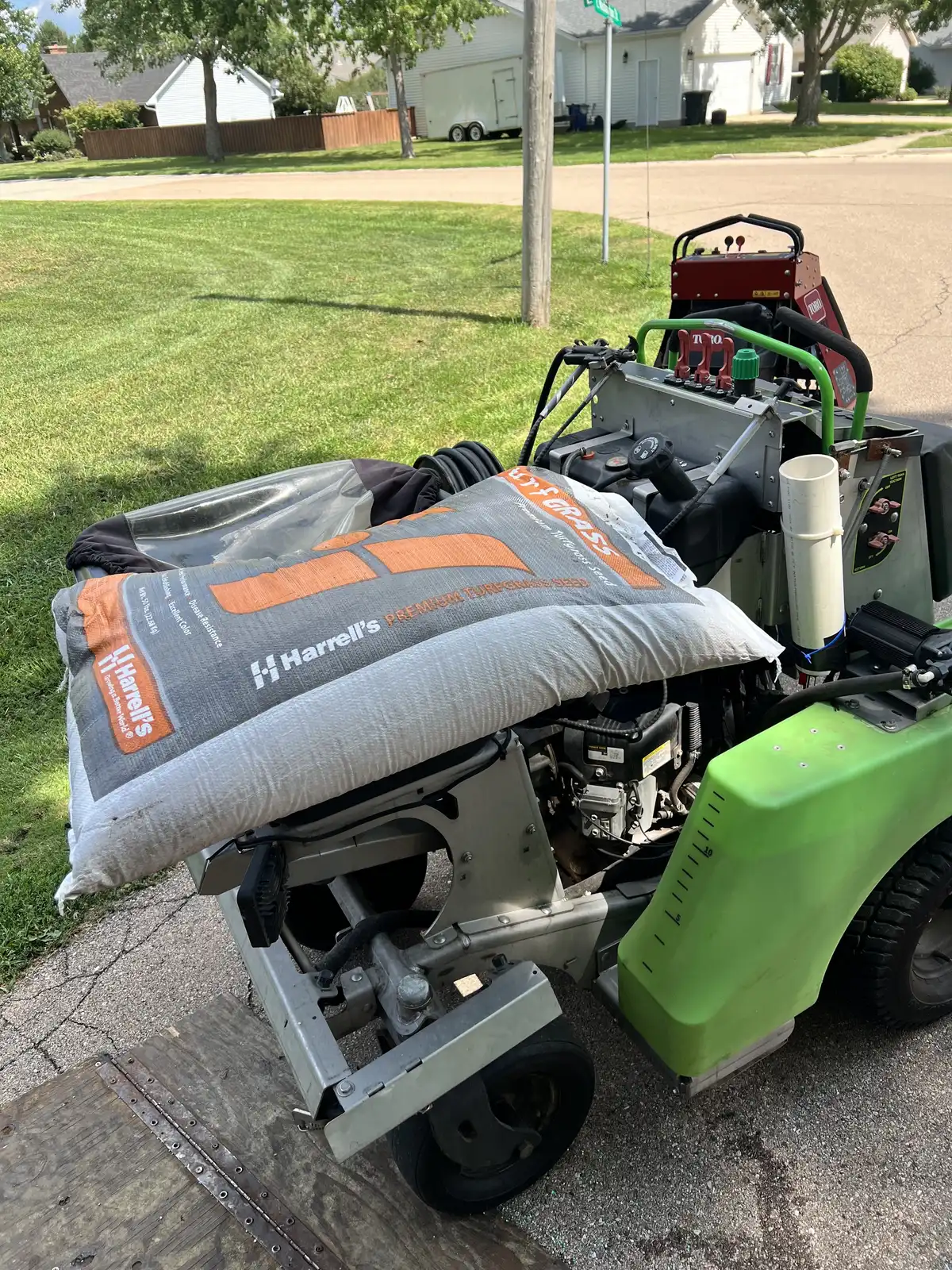
The most important question is not "How green can you make my lawn this month?" It is "What is the plan for the whole growing season?" Aurora lawns deal with compacted clay soils, spring weed pressure, summer heat, uneven drainage, and cool-season grass that responds best when treatments are timed correctly. A good season-long turf management plan should connect those issues instead of treating each symptom as a separate problem.
Aurora homeowners often start with a general lawn care question, then realize they need clearer guidance on fertilization, weed control, aeration, overseeding, grub protection, or a more complete seasonal plan. The questions below will help you compare options and understand what your lawn may need before you book.
What Basic Fertilization and Weed Control Covers
Turf management is broader than a single fertilizer visit. For an Aurora lawn, it usually includes a property inspection, seasonal fertilization, broadleaf weed control, crabgrass prevention, monitoring for insects and disease pressure, and recommendations for improving soil and turf density. Depending on the condition of the lawn, it may also include core aeration, overseeding, soil health treatment, or targeted pest prevention.
The practical difference is diagnosis. If grass is thin along a sidewalk, the answer may be heat stress and compaction. If bare patches lift like loose carpet, the problem may be grub damage. If weeds keep returning every summer, the lawn may need better density and pre-emergent timing, not simply another spot spray. Before booking, ask whether the company is proposing a program based on what your lawn needs or selling the same package to every property.
When Soil and Compaction Point to Turf Management
Many Aurora and Fox Valley lawns sit on heavier soils that compact easily. Compacted soil limits oxygen, slows root growth, sheds water during storms, and makes fertilizer less effective because nutrients cannot move through the root zone evenly. That is why a lawn can receive applications and still look thin or stressed.
A turf management estimate should look at more than square footage. The contractor should consider slope, drainage, shade, irrigation habits, mower height, pet traffic, and whether the lawn has areas that dry out or hold water. If the lawn has not been aerated in years, aeration and overseeding may be a better fall investment than adding more product to compacted soil.
When Should I Start a Program?
For most Aurora homeowners, the best time to start planning is late winter or early spring, before the crabgrass prevention window arrives. Once soil temperatures move into the right range, pre-emergent timing becomes important. Waiting until crabgrass is already visible turns prevention into a more difficult control problem.
That does not mean it is too late if you are reading this in summer. A mid-season inspection can still identify broadleaf weeds, drought stress, grub risk, mowing issues, and areas that should be renovated in fall. The key is setting expectations. A lawn with years of thinning or weed pressure may need one full growing season to improve and two seasons to become consistently dense.
What Should I Ask About Fertilization and Weed Control?
Ask how many visits are included, what each visit is intended to accomplish, and how the timing changes based on weather. Better Turf & Snow offers season-long turf care programs, and the point of that structure is to put the right work in the right window. Spring applications should not be treated the same as summer or fall applications.
For weeds, ask about both prevention and correction. Fertilization and weed control should address crabgrass, dandelion, clover, and other common broadleaf weeds, but it should also help the turf become thick enough to compete. Chemical control without turf density is a short-term answer. A healthier stand of grass is what keeps openings from turning into recurring weed problems.
Services That Go Beyond a Fertility Schedule
Maybe. A good turf management conversation should separate what is necessary from what can wait. If the lawn is dense, drains well, and has minimal traffic, a fertilization and weed control plan may be enough for the season. If the soil is hard, water pools after storms, or the turf is thin from heat and traffic, aeration becomes more valuable.
Overseeding makes sense when the lawn has open areas where weeds can take hold. Soil health treatment can help when color, rooting, or recovery remain weak even after basic fertility is in place. If grubs have been a problem nearby, ask whether grub prevention timing should be part of the plan. The best answer depends on inspection, not a one-size-fits-all list of add-ons.
What Should the Estimate Process Look Like?
Before booking, ask for a clear explanation of scope, timing, and expected results. A professional estimate should explain what is included, what is optional, and what the homeowner needs to do between visits. Watering, mowing height, pet patterns, and leaf cleanup can all affect results. Turf management works best when the service provider and homeowner are aligned on responsibilities.
For Aurora homeowners, it is also useful to confirm service coverage and response expectations. Better Turf & Snow serves Aurora and nearby Fox Valley communities including Oswego, Yorkville, Geneva, St. Charles, and Plainfield. If you are near the edge of the service area, confirm availability before comparing program details.
What Results Are Realistic?
A neglected lawn rarely becomes fully repaired after one application. You should expect better color after fertilization, reduced visible weed pressure after control treatments, and thicker turf after fall aeration and overseeding has time to establish. The biggest improvements usually come from consistency: correct spring prevention, balanced feeding, summer stress management, and fall repair.
Be cautious of any promise that skips the inspection. The right program for a shaded, compacted Aurora backyard is different from the right program for a sunny corner lot with irrigation. A written estimate should be specific enough that you understand why each treatment is recommended.
FAQ: Choosing an Aurora Lawn Program
Is turf management worth it if I already mow weekly?
Yes, if the lawn has weeds, thinning, poor color, compaction, or recurring stress. Mowing maintains height, but turf management addresses the soil, root zone, nutrient timing, and weed pressure that determine how healthy the grass can become.
How soon will I see results?
Color can improve within weeks after the right fertilization visit, but weed reduction and turf density take longer. Thin lawns often need fall seeding and a full season of consistent care before they look reliably full.
Should I book before weeds appear?
Yes. Preventing crabgrass and reducing early broadleaf weeds is easier than correcting a lawn after weeds have already taken space. Early planning also gives time to schedule aeration, overseeding, or soil work at the right point in the season.
Can Better Turf & Snow look at my lawn before recommending a program?
Yes. The best next step is to request an estimate so the lawn can be evaluated for square footage, weed pressure, compaction, thinning, drainage, and seasonal priorities.
Ready to compare options for your Aurora lawn? Request a turf management estimate or call (630) 854-7511. Better Turf & Snow can help you decide whether you need a basic fertility plan, coordinated season-long care, or fall repair work such as aeration and overseeding.