
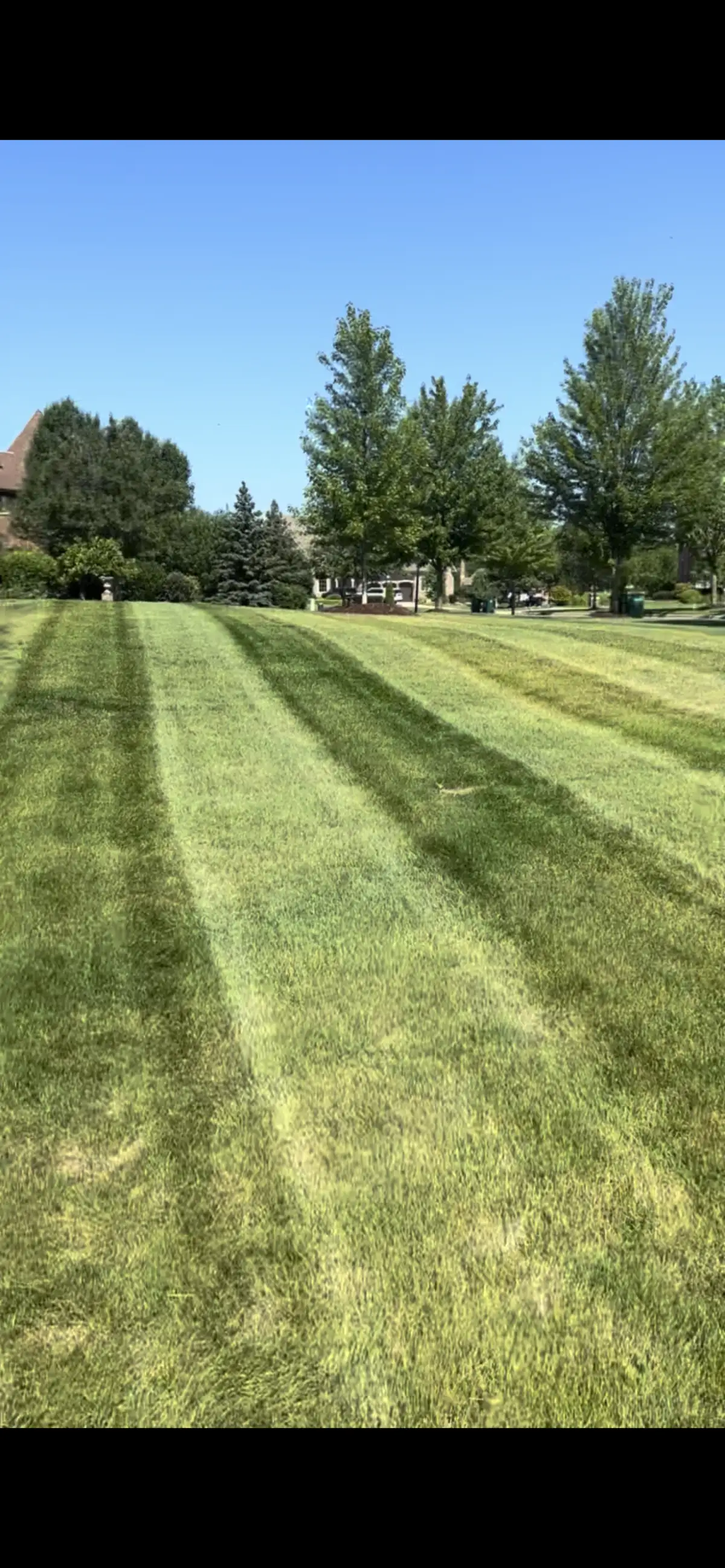
A useful turf management conversation starts before anyone recommends a treatment. By the end of August, an Aurora lawn may show several overlapping conditions: summer thinning, weeds that returned, hard soil near walkways, dry edges, shaded areas that never filled in, or spots where water runs off. Those observations are helpful, but they do not all point to the same service.
The goal before booking is to understand what the provider sees, why each step is being recommended, and how the work fits Aurora's cool-season growing cycle. Better Turf & Snow's turf management approach can coordinate recurring care with condition-based services rather than treating every concern as an isolated application.
Bring a short property brief to the estimate. Mark the trouble areas, note when each problem appeared, and explain how the lawn has been mowed and watered. Better input makes it easier to compare the recommendation with the condition you want to improve.
1. What Information Should I Have Ready?
Walk the lawn before the estimate and take a few current photos. Note thin turf, discoloration, weeds, standing water, runoff, hard soil, animal damage, and areas that receive very different amounts of sun. If a concern appeared suddenly, record roughly when it began. If it returns in the same place each year, say so.
Also share the practical details: irrigation coverage, mowing frequency, recent seeding or treatments, pets, heavy foot traffic, locked gates, and any part of the lawn that needs special access. The Aurora turf management and lawn care guide provides more context on the local shade, moisture, and soil differences that can change the priorities from one property to another.
2. Are We Addressing a Symptom or a Likely Cause?
Ask the provider to explain what was observed and which causes are being considered. Thin grass may relate to summer stress, shade, compaction, poor establishment, insect activity, or uneven watering. Weeds can fill open turf, but controlling the visible weed does not automatically correct the condition that allowed it to spread.
A careful recommendation may call for monitoring before action, a change in homeowner care, a recurring program, or corrective work. If hard soil and poor water movement are part of the problem, soil health treatment or core aeration may enter the conversation for a specific reason. If turf lifts easily or has irregular damage, ask whether closer inspection for insect activity is appropriate before assuming the lawn only needs fertilizer.
3. Which Services Are Included—and Which Are Separate?
Turf management is broader than a single application. A plan may coordinate fertilization and weed control across the season, while aeration, overseeding, grub treatment, or soil health work may be separate recommendations. Ask what is recurring, what is condition-based, and what would require separate approval.
- Covered areas: which front, side, back, parkway, or common lawn areas are included.
- Scheduled visits: the purpose and approximate seasonal window for each included visit.
- Optional work: services quoted only when a lawn condition supports them.
- Homeowner role: mowing, watering, access, and aftercare between visits.
- Changes: how new work is explained, priced, and approved.
4. What Can Start Now, and What Belongs Next Spring?
An August 31 estimate should use at least two timelines. Late summer into early fall can be a useful window for evaluating compaction and thin cool-season turf. When conditions and weather fit, fall may also be the time to discuss aeration, overseeding, or work that supports root development. Any seed recommendation should include site preparation, watering expectations, and enough time for establishment.
Other work has an earlier preventive window. A plan for crabgrass pressure next year, for example, is different from trying to rebuild thin turf this fall. Ask the provider to separate what can reasonably help now from what should be documented for spring. That keeps urgency from replacing seasonal judgment.
5. What Details Should Be in the Written Estimate?
A useful estimate lets you compare more than the total price. Lawn size matters, but so do access, current condition, included applications, visit frequency, repair work, and the exact areas being treated. Confirm whether billing is per visit, seasonal, or ongoing and whether optional services require approval.
| Estimate detail | What to confirm |
|---|---|
| Problem and goal | The lawn condition being addressed and the expected role of each service |
| Service scope | Included lawn areas, visits, applications, and separately priced work |
| Timing | What happens this fall, what continues later, and what waits until spring |
| Aftercare | Watering, mowing, access, and any instructions after an application or seeding |
| Communication | How completed work, observations, plan changes, and added costs are documented |
6. What Will the Lawn Need Between Visits?
Professional visits and daily lawn habits affect one another. Ask for specific guidance on mowing height, when to mow after service, and how to avoid removing more than roughly one-third of the grass blade at a time. Discuss how rainfall, irrigation coverage, runoff, and shade should influence watering instead of following one fixed schedule for every area.
Newly seeded turf usually needs different attention than established grass. If overseeding is proposed, clarify who is responsible for watering, when normal mowing can resume, and what to do if establishment is uneven. The University of Wisconsin lawn maintenance guide offers additional cool-season guidance on mowing, watering, fertilizing, compaction, weeds, diseases, and insects.
7. How Will Progress and Plan Changes Be Communicated?
Ask what information you will receive after each visit: work completed, lawn observations, aftercare, and the next scheduled step. You should also know whom to contact if discoloration spreads, weeds return quickly, turf loosens near the soil, or new seed does not establish as expected.
Seasonal turf management should make later decisions clearer. Some changes call for observation, some for adjustments to mowing or watering, and some for a separately approved service. A documented process helps keep those choices connected to the lawn rather than to a package name.
Frequently Asked Questions
What should I share before a turf management estimate?
Share where the lawn is thin, discolored, weedy, compacted, shaded, or holding water; when each problem began; and how the area is mowed and watered. Photos and a short walk-through can help separate recurring conditions from recent stress.
What should a turf management plan explain?
The plan should connect each recommendation to an observed lawn condition, identify the areas covered, separate recurring visits from optional corrective work, explain seasonal timing, and state your aftercare responsibilities.
Can turf management start at the end of August in Aurora?
Yes. The end of August can be useful for evaluating summer stress and planning fall work for a cool-season lawn. The appropriate next step depends on the lawn, site conditions, weather, and whether the work is preventive, corrective, or focused on establishment.
How should I compare turf management estimates?
Compare the lawn areas covered, number and purpose of visits, included applications, separately priced services, timing, aftercare, billing, communication, and approval process for added work. The lowest total is not necessarily the same scope.
Does Better Turf & Snow provide turf management in Aurora, Illinois?
Yes. Better Turf & Snow provides turf management and lawn care in Aurora and its listed Fox Valley service areas. Request an estimate through the contact page or call (630) 854-7511.