
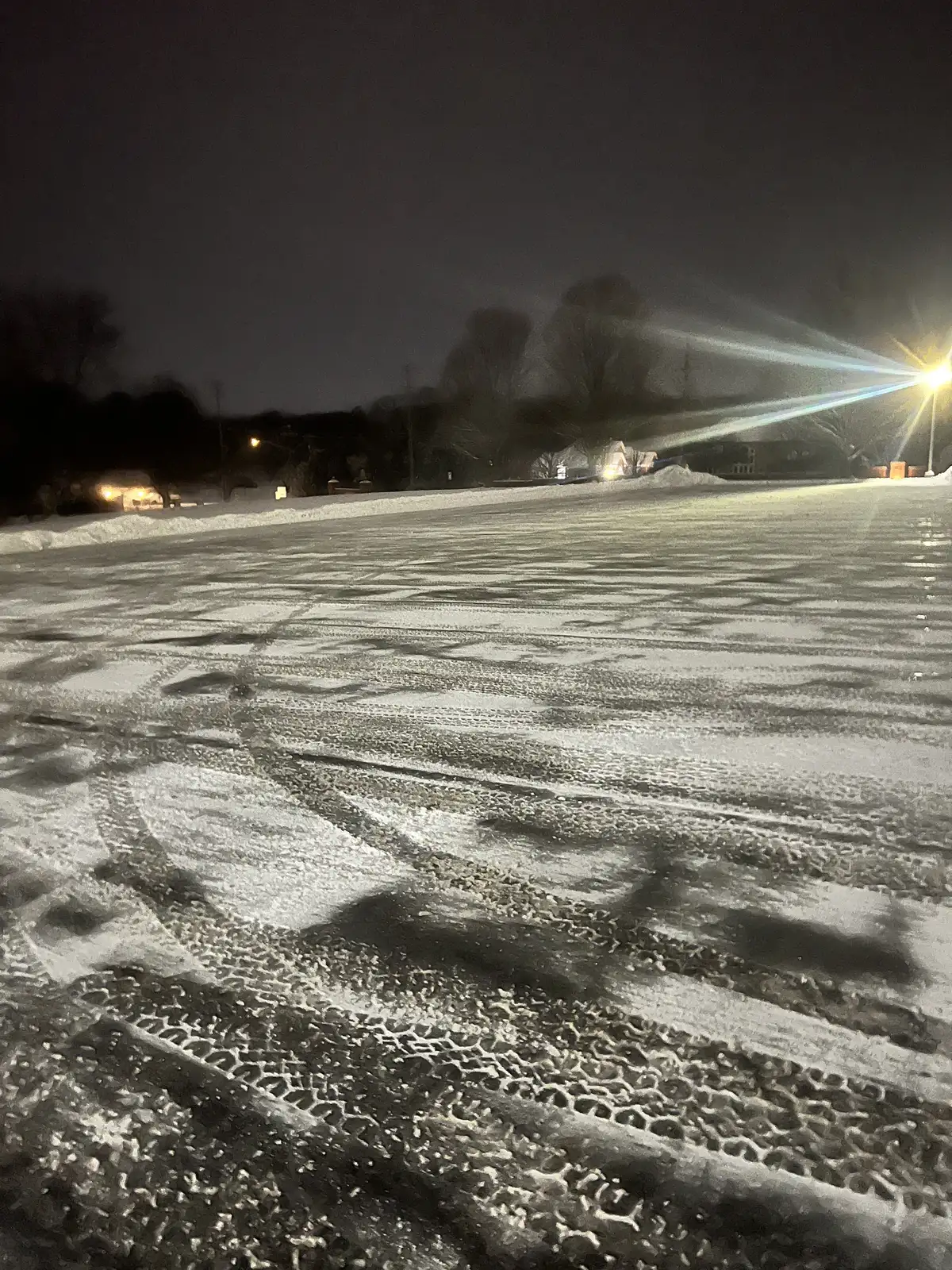
Commercial snow removal cost cannot be reduced to one price per parking space or one national average. An open lot with room to stack snow is a different operation from a multi-tenant site with parked cars, loading docks, sidewalk networks, narrow drive lanes, and little storage space. The useful question is not simply, “What does snow removal cost?” It is, “What work does this property require during and after a storm?”
A clear commercial snow removal estimate should connect the price to mapped service areas and a defined scope. That gives a property manager a fair way to compare proposals without mistaking a narrower plan for a better value.
Short answer: commercial snow removal cost is shaped by the pavement and walkways being cleared, site complexity, operating priorities, plowing and de-icing scope, and whether snow can stay on-site. A site-specific estimate is more useful than an unsourced average because it shows what the quoted total actually covers.
Seven Factors That Shape a Commercial Snow Removal Estimate
1. The Actual Area Being Cleared
Total parcel size is not the same as serviceable pavement. Buildings, landscaped islands, loading zones, medians, and unused sections change the area equipment must cover. A proposal should distinguish the main lot, drive lanes, fire lanes, loading areas, dumpster access, and any private roads instead of relying on one rough acreage figure.
That measurement also needs context. Large uninterrupted pavement can be more straightforward to plow than several smaller areas broken up by curbs and islands. For that reason, square footage is a starting point rather than the entire pricing formula.
2. Obstacles, Parked Vehicles, and Equipment Access
Traffic islands, cart corrals, speed bumps, gates, low clearances, parked fleets, loading docks, and tight corners can slow each pass and limit where snow can be pushed. A site that stays active overnight may also require work around vehicles or deliveries rather than one uninterrupted clearing window.
Show these conditions during the estimate process. A contractor who sees the site only as a shape on a map may miss the details that determine equipment choice, routing, and labor.
3. Sidewalks, Entrances, and Pedestrian Routes
Sidewalk snow clearing is a distinct part of the workload. Measure the walks, ramps, stairs, crosswalk connections, employee entrances, and public-facing doors that must remain accessible. Narrow sections and frequent doorways may require different equipment or hand work than a wide parking lot.
Do not assume a “full service” label includes every pedestrian area. Ask for a site map or written list so both proposals cover the same routes.
4. Plowing, De-Icing, and the Boundaries Between Them
Parking lot plowing moves accumulated snow; de-icing addresses slippery pavement and walkways. They involve different labor, equipment, and materials. An estimate should state which surfaces receive each service and whether material applications are included, optional, or priced separately.
This distinction matters when comparing totals. One proposal may include the lot and main walks but exclude secondary entrances. Another may show de-icing as a separate line item. Those are scope differences, not merely price differences.
5. Business Hours and Access Priorities
A warehouse receiving overnight deliveries, a morning office, and a retail site open late do not have the same access priorities. The estimate should account for when the site is occupied, which lanes or entrances matter first, and whether work must be sequenced around employees, tenants, customers, or scheduled trucks.
Priority affects the operating plan because clearing one site once after snowfall ends is different from keeping selected areas usable while activity continues. The final proposal should make the expected scope clear without relying on a vague promise of priority service.
6. Snow Storage and the Cost of Losing Space
Snow must go somewhere. Plowable lots need designated stacking areas that do not block sight lines, drains, accessible spaces, fire routes, loading access, or traffic flow. A property with generous storage can often keep accumulation on-site. A constrained lot may need snow moved to another area of the property or hauled away.
Ask the estimator to identify planned stack locations before winter. That conversation can reveal whether an otherwise workable plan will reduce parking or create access problems as piles grow.
7. Relocation or Hauling When On-Site Storage Runs Out
Snow hauling should be discussed as a separate possibility, not quietly assumed. The need may depend on the site layout and how much usable storage remains after repeated events. The estimate should explain whether relocation or hauling is included, separately priced, or subject to approval when conditions make it necessary.
This is one of the clearest reasons two commercial estimates may differ. One may account for a constrained site from the beginning; another may cover plowing only and leave snow removal from the property as additional work.
A Site Map Makes Two Estimates Easier to Compare
Before focusing on the total, compare the surfaces and responsibilities described in each proposal. A simple marked site plan can make omissions visible and reduce uncertainty about what is included.
| Estimate detail | What to confirm |
|---|---|
| Pavement | Lots, drive lanes, loading areas, fire routes, and service access included in the price |
| Pedestrian areas | Sidewalks, ramps, stairs, crosswalks, and named entrances to be cleared |
| De-icing | Surfaces covered, whether materials are included, and how added applications are approved |
| Operating priorities | Business hours, delivery windows, tenant needs, and the areas that must open first |
| Snow storage | Approved stack locations and the point at which relocation or hauling may be needed |
The map does not replace contract terms. It helps define the physical job. For trigger depths, service timing, documentation, and pricing structures, read the separate guide to what to expect from a commercial snow removal contract. Keeping those questions in their own review prevents a budget comparison from turning into a second contract checklist.
Separate the Planned Scope From Conditional Work
A useful winter budget distinguishes the work expected as part of the normal service plan from work that may only become necessary under certain site conditions. Plowing mapped pavement, clearing named walks, and providing an agreed de-icing scope can be evaluated as planned services. Relocating large snow piles, hauling snow off-site, or clearing an area added after the estimate may be conditional.
Ask how additional work will be identified and approved before it appears on an invoice. That does not require predicting a sample winter or inventing a contingency amount. It simply gives the property manager a process for decisions that depend on actual conditions.
How to Compare Commercial Snow Removal Quotes
- Verify that both estimates cover the same pavement, sidewalks, entrances, and access routes.
- Compare plowing, sidewalk clearing, and de-icing as separate scope items.
- Identify the obstacles and operating windows each contractor considered.
- Confirm the planned snow-stack locations and how relocation or hauling would be handled.
- Review the approval process for work outside the written scope.
- Compare contract structure only after the physical service plan matches.
Better Turf & Snow provides commercial snow removal across Aurora, Yorkville, and other communities listed in the Fox Valley service-area guide. Local context matters because the right estimate starts with the property you manage—not a generic national cost figure.
Frequently Asked Questions
How much does commercial snow removal cost?
No flat price is reliable without reviewing the site and service scope. The cleared pavement area, sidewalks, obstacles, operating schedule, de-icing needs, snow-storage capacity, and possible hauling all affect an estimate. A property-specific quote should define those items before presenting a total.
Does parking lot size determine the whole price?
No. Cleared area is important, but two lots of similar size can require different work because of parked vehicles, loading docks, islands, tight turns, slopes, fire lanes, entrances, and available snow-storage space. Sidewalks and de-icing can add separate labor and materials as well.
Are sidewalk clearing and de-icing included in commercial snow removal?
Do not assume they are included. A proposal should state which sidewalks, entrances, ramps, and pavement areas are covered and whether de-icing is included, optional, or billed separately. Compare the written service map and scope, not the service title alone.
Is snow hauling included in a standard estimate?
Not necessarily. Many sites can store snow on the property, but limited stacking room or blocked visibility may create a need to relocate or haul snow. The proposal should identify planned storage areas and explain how hauling would be approved and priced if it becomes necessary.
How should property managers compare two snow removal estimates?
Confirm that both estimates cover the same pavement, sidewalks, entrances, timing priorities, de-icing work, snow-storage plan, and potential hauling. Then compare the pricing structure and approval process for added work. A lower total is not a direct comparison when the scope is narrower.