
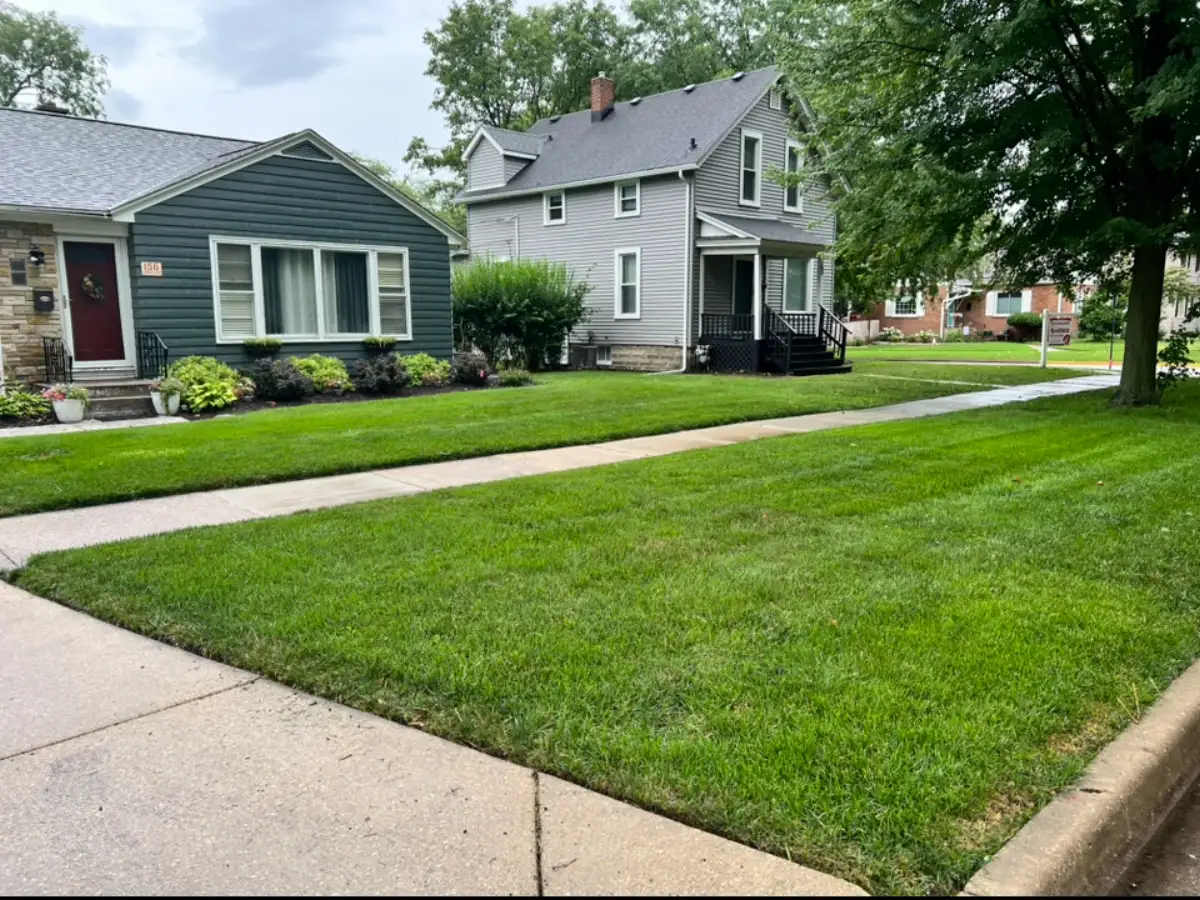
Before booking turf management in Aurora, the most useful question is not simply how many treatments come with the program. It is whether the provider can connect the work to the lawn in front of them. A sunny front yard with pavement heat, a shaded side yard with thin grass, and a compacted backyard used by children or pets may need different priorities even at the same address.
Aurora lawns also move through a demanding northern Illinois cycle: freeze-thaw compaction, spring weed pressure, humid summer stress, and a limited fall window for repair. That makes timing part of the decision. A sound plan should explain what is useful now, what should wait for better conditions, and what the homeowner can do between visits.
The short answer: book when the lawn condition, service scope, seasonal timing, homeowner responsibilities, and follow-up process all make sense together. If one of those pieces is vague, ask for clarification before approving the estimate.
Start With the Lawn, Not the Package
A program name or visit count does not tell you whether a recommendation fits your property. The first conversation should identify what you want to improve and what may be contributing to the problem. Common factors include turf density, weed types, compaction, drainage, shade, watering, mowing height, traffic, and visible insect or disease pressure.
Ask the provider to separate symptoms from causes. Thin grass may be related to shade, hard soil, inconsistent watering, heavy traffic, or several issues at once. Treating weeds can improve appearance, but it does not automatically correct the condition that left open space for weeds to establish.
-
What are we trying to change?
Name the priority: fewer weeds, more even color, better density, stronger summer recovery, or improved soil conditions.
-
What supports the recommendation?
Ask which visible lawn conditions point to each treatment or repair service in the proposed plan.
-
What may limit the result?
Shade, drainage, irrigation, traffic, and mowing habits can affect what is realistic in different parts of the property.
Ask Exactly What the Estimate Includes
A written proposal should distinguish the recurring program from condition-based or separately priced work. Seasonal fertilization and weed control may form the foundation of a plan, while core aeration, overseeding, or soil health treatment may be recommended for particular concerns.
Ask what each visit is intended to address, whether spot treatments or follow-up visits are part of the stated scope, and how new recommendations are approved. You should also know which services are not included. Clear exclusions are useful because they prevent a broad phrase such as “complete lawn care” from creating expectations the estimate never promised.
Are aeration and overseeding automatic?
No. Aeration is most relevant when compaction is limiting air, water movement, or root growth. Overseeding is most relevant when existing turf is thin enough to benefit from new grass. They are often discussed together, but each recommendation should still have a reason. For more detail, see the Illinois aeration and overseeding guide.
How Does a Late-July Start Change the Plan?
Homeowners do not need to wait until next spring to ask for an evaluation. Starting in late July can still be useful, but the conversation should be honest about the calendar. Spring crabgrass prevention cannot be applied retroactively. A midsummer review can instead look at active weeds, heat and watering stress, signs of grub activity, and whether thin or compacted areas should be prepared for fall work.
This is also a good time to ask which issues need immediate attention and which would respond better under fall conditions. A recommendation to schedule aeration or seeding later should explain why the timing helps and what watering will be required afterward. A year-round plan can then account for the next spring prevention window instead of treating every problem as urgent today.
The Aurora service-area guide explains how Better Turf & Snow approaches turf care across local properties, while the main turf page outlines the broader season-long service.
Clarify What Happens Between Visits
Turf management is shared work. Applications and scheduled services can support the lawn, but mowing, watering, traffic, and follow-through influence the outcome. Ask for specific guidance rather than a general reminder to “water more.” Useful instructions should tell you what needs attention after a visit and when normal activity can resume.
Also ask how the provider communicates what was completed and what they noticed. Visit notes do not need to be lengthy, but they should help you connect the service to the plan. If a new concern appears, you should know whether the next step is monitoring, an adjustment within the program, or a separate recommendation that requires your approval.
Compare the Plan, Not Only the Price
Two estimates may use similar service names while covering different work. Compare the diagnosis, timing, included visits, optional services, homeowner instructions, and communication process side by side. The lowest price may be appropriate for a straightforward lawn; a more involved plan may make sense when density, compaction, or soil conditions need coordinated attention. The important point is understanding why the scope differs.
- The main lawn goals and current concerns are written clearly.
- Included services, visit timing, and separate work are easy to identify.
- Recommendations connect to visible conditions or seasonal needs.
- Watering, mowing, access, and other homeowner responsibilities are explained.
- The estimate sets realistic expectations without promising an instant or uniform result.
- You know how visit updates and new recommendations will be communicated.
Frequently Asked Questions
What should I ask before booking turf management in Aurora?
Ask what lawn conditions the provider sees, what the program is intended to improve, which services and visits are included, which work would be separate, what you need to do between visits, and how recommendations or progress will be communicated.
Can I start a turf management program in late summer?
Yes. A late-summer evaluation can address current weed pressure, watering and mowing stress, pest concerns, and fall repair priorities. It cannot recreate spring prevention timing, so the plan should distinguish useful work now from work that belongs in the next seasonal cycle.
Should core aeration and overseeding always be included?
No. Core aeration is most useful when compaction limits air, water, and root growth. Overseeding is most useful when existing turf is thin enough to need added density. The recommendation should connect each service to a condition on the lawn.
How quickly should I expect a lawn to improve?
The timeline depends on the starting condition and the goal. Weed response or color may change sooner than turf density, soil condition, or recovery in heavily shaded and worn areas. Weather, watering, mowing, and follow-through also affect progress.
What should a written turf management estimate explain?
It should explain the scheduled services, the purpose of the program, important exclusions or separate services, homeowner responsibilities, and the process for visit updates and new recommendations. The scope should be clear enough to compare with another proposal.
Ready to discuss your property? Request a turf management estimate or call (630) 854-7511. Better Turf & Snow serves Aurora and nearby Fox Valley communities.