
Before winter hides the edges of your lot, walk it with your snow provider. Mark the features a driver could lose under snow, trace the routes people need to use, and agree where cleared snow can go. For a commercial property in Aurora, Oswego, or the surrounding Fox Valley service area, the useful result is one shared site map supported by photos and agreed field markers.
Mark five things: islands and curb edges; pedestrian connections; loading and service access; drainage trouble spots; and approved snow-storage zones. Number the notes and photos so everyone can identify the same location.
Mark Island Corners, Curb Changes, and Low Obstacles
Walk the perimeter and each landscaped island while the pavement is visible. Identify the points where a curb turns, disappears into a driveway, or separates pavement from turf. Note parking stops, speed bumps, low fixtures, and anything projecting into the clearing area. Photograph existing broken edges and raised pavement before they are obscured.
Use the walk to decide which features need stakes and what those markers mean. A marker for a curb boundary should not be confused with approval to stack snow there. Agree who installs, checks, replaces, and removes markers. SIMA’s staking guidance explains how field markers reinforce a site map and help identify hidden obstructions.
Trace the Entire Route From Parking to the Door
Start at accessible parking and its access aisle, then follow the curb ramp, sidewalk, crossings, and entrance connection. Mark each transition on the map. The U.S. Access Board’s parking guide explains how access aisles connect to an accessible route; a clear parking stall alone does not show the full path a visitor needs.
Identify employee doors and emergency exits as well. Show where a plowed ridge could interrupt a walking route, and label those connections as areas to keep open. Discuss sidewalk snow clearing alongside parking lot plowing so the map clearly distinguishes the two work areas.
Keep Loading, Dumpster, and Gate Access Visible
At loading bays, identify the approach lane, dock edge, truck turning area, and nearby pedestrian doors. Mark dumpster access and gate openings too. Add delivery hours, locked-access arrangements, and the locations where vehicles regularly remain parked.
For example, label a loading approach separately from adjacent parking, then ask the site contact to confirm which hours it needs to remain usable. This turns “keep the back open” into a location and an operating need. SIMA’s planning standard identifies access restrictions, obstacles, and priority areas as site-assessment topics.
Agree on Snow Placement and Follow the Meltwater
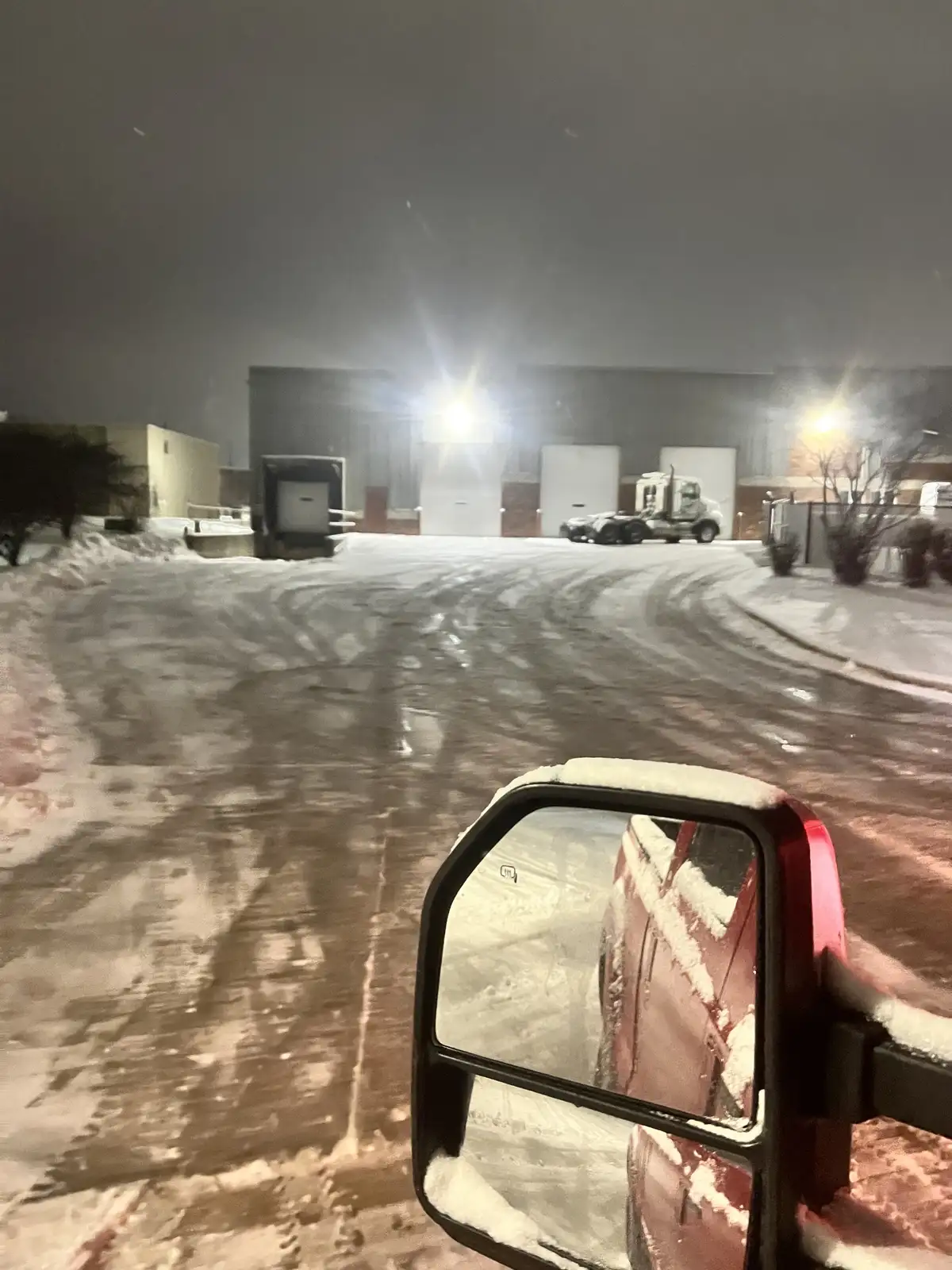
Outline proposed snow-storage zones on the map and review them together. Keep storage away from pedestrian connections, fire access, and places where piles would obstruct a driver’s view. Mark catch basins and drainage routes; do not treat a drain as an empty spot to cover.
Look beyond where a pile fits today. Where will its meltwater go? Could it cross a sidewalk or flow back over cleared pavement? The Minnesota Pollution Control Agency’s snow-storage guidance recommends keeping drain inlets uncovered and considering slope and runoff when choosing pile locations. These are useful planning principles, rather than Illinois-specific rules.
If no workable storage zone is obvious, leave that decision open for review. Do not mark neighboring land or an access aisle as overflow space. Ask how the plan should change if available storage becomes constrained; do not assume relocation or hauling is part of the agreement.
Photograph Trouble Spots That Markers Cannot Fix
Record potholes, damaged curbs, low spots, and downspouts that discharge toward walking areas. Include one wider photo showing the location and a closer view of the issue. Match both to a map number and record who will review the concern before winter. SIMA’s preseason risk-assessment checklist covers existing damage, drainage, structures, and site use.
Keep a repair note separate from a marker note: identifying a defect does not repair it. Likewise, highlight areas to discuss for de-icing without treating a map annotation as confirmation that treatment is included.
Leave With One Dated Map Everyone Can Read
- Boundaries: identify the pavement and pedestrian areas being discussed, including shared-lot limits.
- Legend: explain marker meanings, photo numbers, priority routes, and approved storage zones.
- Open decisions: list repairs, access questions, or storage conflicts and name the responsible site contact.
- Updates: share a revised map when construction, parking arrangements, or tenant access changes.
Keep the walk focused on the physical site. Use the separate snow-contract guide for agreement questions and the commercial snow cost guide for estimate factors. Better Turf & Snow’s commercial snow service page connects the parking-lot, sidewalk, and de-icing services available for winter planning.
Preseason Snow Walk Questions
What should be marked before parking lot plowing begins?
Identify curb edges, island corners, parking stops, pavement defects, pedestrian connections, loading access, drains, and approved snow-storage areas. Put them on a shared site map, then agree which boundaries and hidden obstacles need physical markers.
Do snow stakes replace a site map?
No. Stakes help identify features in the field, while a site map records service boundaries, access priorities, snow placement, and photo references. Agree on marker meanings and who will install, check, replace, and remove them.
What should a property manager bring to the preseason walk?
Bring a current site plan or aerial image, access information, business and delivery hours, and notes about past trouble spots. Leave with one dated map, numbered photos, agreed snow-storage locations, and a list of unresolved repairs or access decisions.